
Client Profile
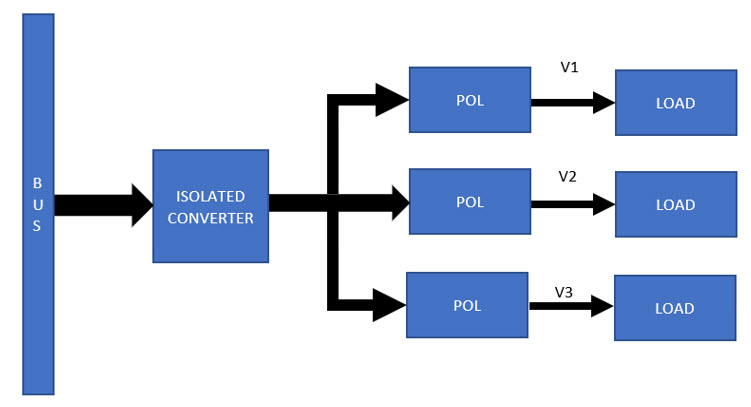
At Engibex, our consultants are trusted to bring niche expertise to highly complex projects in demanding industries. One of them is Jean-François Balfroid, Thermal & Mechanical Engineer, who has been contributing his skills to the space industry through the development of satellite power conditioning units (PCUs). These units ensure that satellites can manage voltage and current effectively, powering everything from cameras to radars in orbit.
Jean-François’ mission was clear: reinforce the client’s team with advanced expertise in packaging design, thermal analysis, and mechanical robustness — ensuring satellite hardware remains compact, lightweight, and reliable in extreme environments.
The Challenge
The client faced a significant resource gap when a key team member retired, leaving a need for specialized expertise in the packaging and thermal/mechanical analysis of satellite PCUs. The existing workflow for thermal and mechanical analysis was highly manual, relying on non-standardized scripts and lacking automation. This resulted in time-consuming, error-prone processes, especially when running multiple analyses or making iterative design changes. The client needed to:
- Maintain strict size, weight, and environmental constraints for satellite hardware.
- Ensure the reliability of electronics in harsh space environments (thermal, mechanical, and radiation).
- Accelerate the analysis and design process to remain competitive and responsive to customer needs.
By combining automation with advanced simulation tools, Jean-François reduced analysis cycles drastically:
“I would say I reduced by at least five the time required to run an analysis compared to before.”
Our Solution
Engibex provided an experienced consultant, Jean-François, to reinforce the client’s engineering team. His mission focused on:
- Hardware Packaging & Analysis: Collaborating with a multidisciplinary project team to design and package PCUs, ensuring all components fit within allocated space and met thermal and mechanical requirements.
- Process Automation: Recognizing inefficiencies in the existing analysis workflow, Jean-François developed a suite of automation tools using VBA macros in Excel. These tools standardized and automated the generation and management of ANSYS APDL scripts, drastically reducing manual input and the risk of errors.
- Knowledge Transfer & Team Collaboration: While each engineering discipline had a dedicated representative per project, Jean-François worked closely with both the client’s core thermal engineering team and other specialists, fostering knowledge sharing and mutual support.
By combining automation with advanced simulation tools, Jean-François reduced analysis cycles drastically:
“I would say I reduced by at least five the time required to run an analysis compared to before.”
Tools & Methods
Jean-François combined hands-on test-bench work with targeted simulation and automation to validate designs and speed up analysis. Key tools he used were:
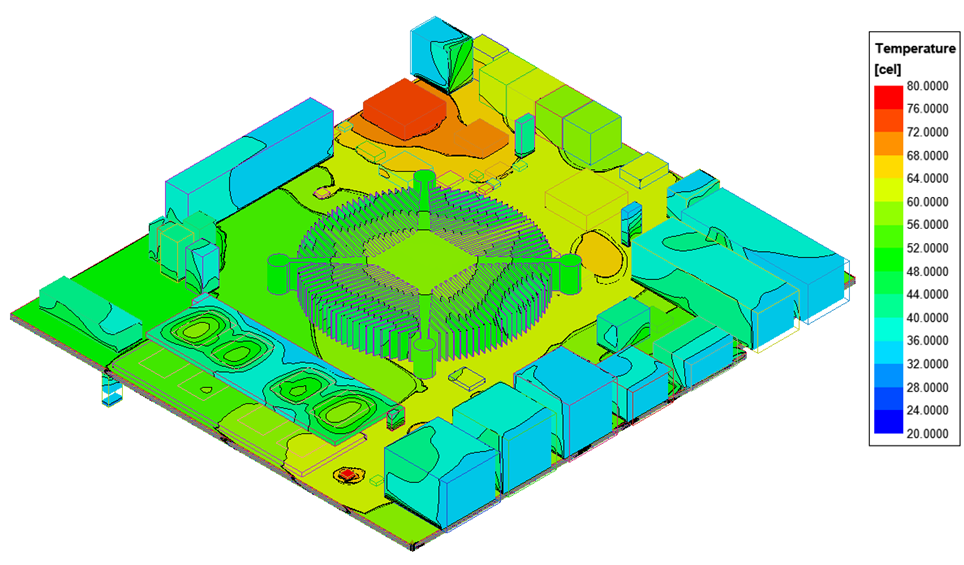
- ANSYS (APDL & Workbench) — for thermal and mechanical simulations to predict stresses, temperatures and component behaviour.
- Catia V5 — for 3D packaging and detailed CAD checks to ensure parts fit and interfaces were correct.
- FASTRAD — radiation analysis (ESA tool) used where electromagnetic/radiation effects needed to be assessed.
- VBA Macros in Excel — to automate repetitive input/output tasks, speed up data processing and reduce manual errors in simulation workflows.
These tools were paired with careful, manual test procedures on the bench, ensuring that simulation results matched real measurements and that findings could be reproduced reliably in a constrained test environment.
Impact & Outcome
- 5x Faster Analysis: Automation reduced the time required for thermal and mechanical analysis by at least five times, enabling faster design iterations and more robust engineering validation.
- Improved Collaboration: The standardized workflow allowed for smoother collaboration between engineering disciplines and more efficient project delivery.
- Enhanced Competitiveness: Faster analysis cycles enabled the client to respond more quickly to customer requirements and improve the overall performance and reliability of their satellite products.
- Personal Growth: Jean-François developed deep expertise in ANSYS, VBA, and mechanical analysis, contributing to both his professional growth and the client’s technical capabilities.
Why Engibex
This project illustrates Engibex’s ability to provide highly specialized expertise in areas where efficiency and precision are critical. By embedding experts like Jean-François, clients can accelerate development cycles, improve collaboration, and enhance the performance of mission-critical systems.
It also highlights Engibex’s human-first approach: providing engineers not only with challenging missions but also with the support they need to thrive. This supportive environment is rare in the consultancy industry and ensures that both clients and consultants thrive.